


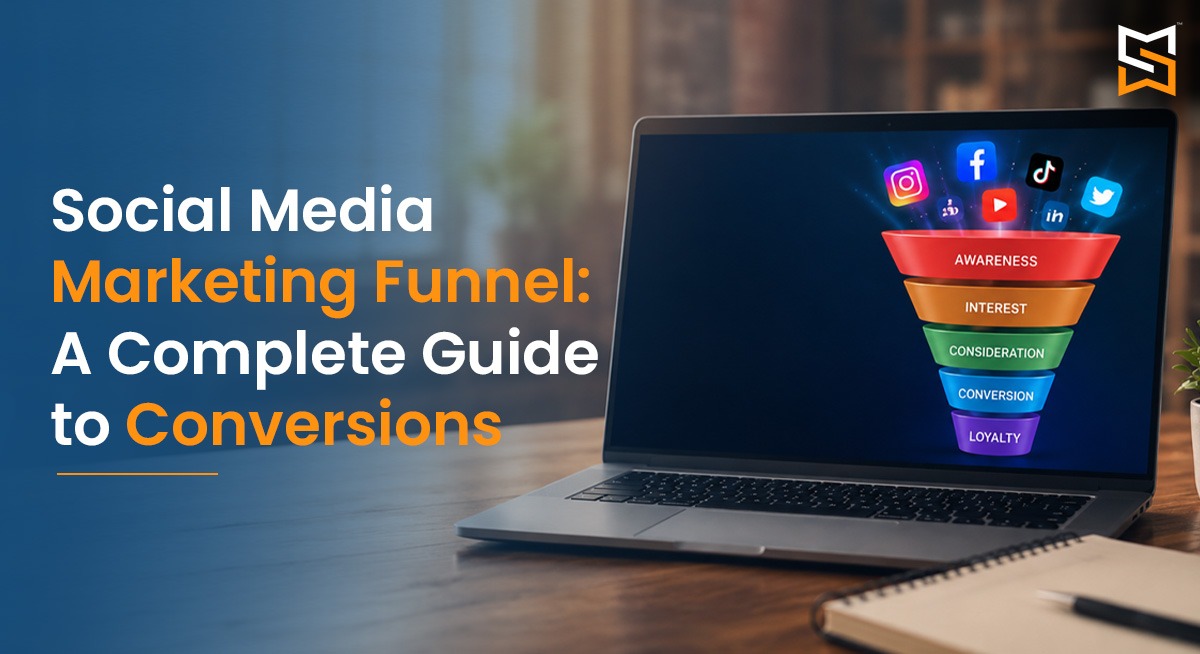

Social media is no longer about scrolling through photos and videos; it has become one of the most powerful tools for your business to connect with customers, build trust and drive sales. But posting content randomly without a plan rarely delivers results. This is exactly where a social media marketing funnel comes into the picture. A social media funnel helps you guide potential customers from discovering your brand to becoming loyal buyers. When you understand the social media customer journey, you can create content that aligns with each stage and also improves your social media conversion.
What is a social media marketing funnel?
A social media marketing funnel is actually a process that turns social media users into your customers. It represents the different steps that people go through before making a purchase. Just think about your own behavior online. You might see your brand's Instagram post today, visit the website next week and finally buy something a month later. This journey is exactly what the funnel represents. The funnel usually includes several marketing funnel stages like awareness, interest, consideration, conversion and loyalty. When you understand all these stages, you can improve social media customer acquisition and generate better results from the marketing efforts.
Why is a social media funnel important?
You might just focus on getting likes and followers. While engagement matters alone, does not pay your bills. A social media funnel helps your business attract the right target audience, build trust with potential customers and generate quality leads. It also helps you measure social media ROI.
Awareness
Awareness is the first stage of the funnel. At this point, potential customers are learning about your brand for the very first time. Your goal here is to attract attention and also increase visibility. Content that works well in this stage includes educational content, blog articles or infographics.
Interest
Once people know about your brand, the next step is keeping them interested. At this stage, users might start following our social media pages or visiting your website. Your content should encourage interaction and build relationships. You can create interest through live sessions, customer stories, and frequently asked questions.
Consideration
In the consideration stage, your customers are evaluating whether your product or service meets their needs or not. They compare your brand with competitors and even look for proof before making a purchase. This is exactly where social media lead generation becomes essential. Content that works well here includes testimonials, case studies, free guides and webinars.
Conversion
The conversion stage is where prospects become your customers. By now, users already know your brand and trust your offerings. But they still might need some extra push to complete the purchase. To improve social media conversion, you can use special offers or limited-time discounts.
Loyalty
You might just focus on acquiring customers, but retaining them is very important. Loyal customers often make repeat purchases and even recommend your brand to others. This strengthens social media consumer acquisition over time. You can build loyalty through personalized messages, loyalty programs, exclusive discounts and excellent customer support.
Measuring social media ROI
No marketing strategy is ever complete without tracking performance. Measuring social media ROI helps you understand whether your efforts are delivering results. Some important metrics include engagement rate, website traffic, lead generation and conversion rate. Analyzing all these numbers allows you to improve your campaigns and focus on strategies that work the best.
Tips for building a successful funnel
Firstly, you need to understand your customers' interests, challenges and buying behavior. The better you know your target audience, the more relevant your content becomes.
Different stages need different types of content. Educational content works well for awareness, while testimonials help drive conversions.
You can also use retargeting ads to remind your customers about your brand and encourage them to return.
Posting regularly helps keep your brand visible and builds trust over time.
A strong social media marketing funnel helps you turn your followers into loyal customers. By understanding the social media customer journey, you can create meaningful interactions that lead to higher social media conversions and better business growth.
FAQs
1: Which social media platforms are best for building a marketing funnel?
The ideal platform depends on your business and target audience. Instagram and Facebook are effective for B2C brands, LinkedIn is well-suited for B2B lead generation, YouTube helps educate and nurture prospects through long-form videos, while TikTok can increase brand awareness among younger audiences. A multi-platform approach often delivers the best results when each platform is used strategically.
2: How long does it take for a social media marketing funnel to generate results?
The timeline varies depending on factors such as your industry, competition, content quality, and advertising budget. While awareness campaigns may show engagement within a few weeks, generating qualified leads and consistent conversions typically requires several months of consistent content creation, audience nurturing, and campaign optimization.
3: What are the most common mistakes businesses make when creating a social media funnel?
Some of the most common mistakes include targeting the wrong audience, using the same content for every stage of the funnel, neglecting audience engagement, failing to optimize landing pages, and not analysing campaign performance. Addressing these issues can significantly improve conversion rates and overall marketing effectiveness.
4: How can marketing automation improve a social media marketing funnel?
Marketing automation helps businesses engage prospects more efficiently by scheduling content, automating follow-up messages, nurturing leads through email workflows, and triggering personalized campaigns based on user behaviour. This creates a more consistent customer experience while allowing marketing teams to focus on strategy and optimization rather than repetitive manual tasks.
Author: Sonali Jadhav (SEO Head)
Review Expert: Heta Desai Baandal