


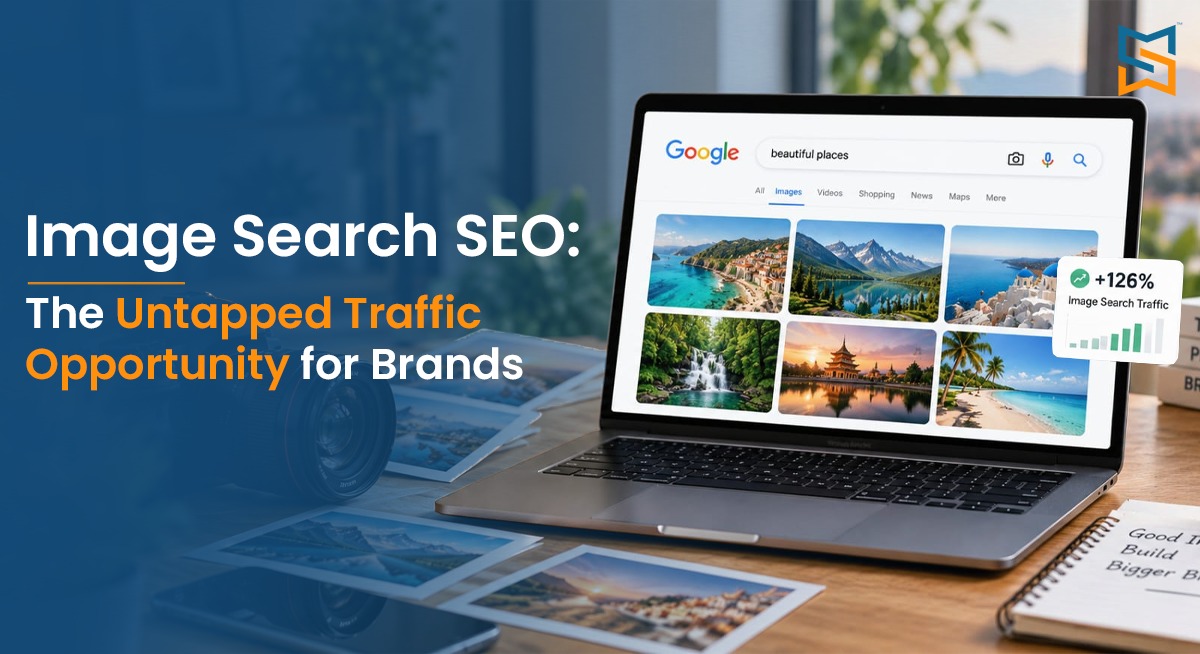

Not every customer comes across a brand through a traditional search result. A product, destination, design, or infographic might attract their attention simply by looking at the image. With visual discovery on the rise, Image Search SEO provides brands another way to boost their organic presence, traffic, and conversion opportunities.
What Is Image Search SEO?
Image Search SEO is the process of optimising images so search engines recognise, index, and display them for relevant searches. This involves descriptive filenames, useful alt text, relevant page content, proper format, and technical accessibility of images.
It is associated with visual search optimisation, but they’re not the same. Image SEO optimises images for search, while visual search lets users search using images or other visual inputs.
Why Image Search Matters for Brands?
People research products, services, places and ideas using visual discovery. Customers may browse by looking at product images, while travellers usually look at destinations visually before visiting a website.
This enables a rise in Image Search Visibility, without relying on traditional rankings. Optimized visual content is beneficial for e-commerce, fashion, real estate, travel, food, and interior design brands.
How Google Images SEO Can Drive Organic Traffic?
The process is simple: Search query → Image result → Website visit → Conversion.
Effective Google Images SEO can be used to optimize product pages, blogs, service pages, guides, or infographics. Images are most effective when there is relevant and useful page content that gives a clear context.
7 Image SEO Factors Brands Should Optimize
1. Use Descriptive File Names
A filename like ‘red-leather-handbag.jpg' gives more context than ‘IMG_4827.jpg' generic name. Use descriptive and relevant file names.
2. Write Useful Alt Text
Alt text helps search engines to understand the image while improving accessibility. Don't overstuff unnecessary keywords.
3. Optimize Surrounding Content
Headings, captions, nearby text, and the main topic of the page help establish context. Make sure the image really fits the page's subject.
4. Use the Right Format and Size
Compress images appropriately without losing important visual elements. Optimize page performance with appropriate formats, dimensions, and responsive implementations.
5. Create Original Visual Content
Original photography, illustrations, charts, infographics, and product visuals can offer more visual discovery opportunities than generic stock images.
6. Use Structured Data Where Relevant
Relevant structured data can be used to help search engines better understand some types of content. Optimized product images with accurate product information can be used by e-commerce brands.
7. Make Images Discoverable
Ensure important images can be accessed and crawled by search engines. Image discovery can be facilitated by responsive implementations and image sitemaps.
Visual Search Optimization: The Next Step Beyond Image SEO
Visual Search Optimization empowers brands to optimize their visual content discovery through image-based search. Relevant structured data, accurate information, consistent naming, and clear product images can help to enhance visual discovery for e-commerce. Brands should think of both what people are searching for and what they may take photos of or upload.
How Is AI Search Changing Image Discovery?
Modern searches are becoming a combination of textual and visual data. AI-driven search can comprehend images along with queries, which makes visual context more meaningful than ever before.
For brands, it is essential to have accurate image descriptions, relevant page content, and clear information on products or services, making their images more meaningful for AI-powered search experiences.
How to Build an Image Search Marketing Strategy?
An effective Image Search Marketing strategy may involve:
Identify image-based search opportunities.
Audit existing website images.
Improve filenames and alt text.
Optimize quality and performance.
Create original visual assets.
Add relevant structured data.
Monitor image impressions and clicks.
Repurpose successful visuals across channels.
How to Measure Image Search Performance
Monitor image impressions, clicks, organic traffic, landing page engagement, and image-assisted conversions. The focus isn't to get more images indexed, but to convert Image Traffic for Brands into engaging, lead-generating, or sales.
Conclusion
Image Search SEO isn't simply about adding alt text or compressing pictures. This process is about making visual content understandable, searchable, and useful in the modern search landscape.
For brands investing in SEO, adding image optimization and visual search to the wider organic strategy can create yet another channel for discovery, which is often overlooked.
FAQs
1.What is Image Search SEO?
This refers to the optimization of images to make sure that search engines can understand and display them for searches.
2.How do I optimize images for Google Images?
Include descriptive filenames, accurate alt text, relevant content, appropriate formats and original visuals.
3.Does image SEO help increase website traffic?
Yes. Relevant image results will enable users to find and visit your website.
4.What is the difference between Image SEO and Visual Search Optimisation?
Image SEO enhances image visibility in search, whereas Visual Search Optimization targets image-based discovery.
5.How can Sociomark India help with Image Search SEO?
Sociomark India can help brands build an effective Image Search SEO strategy by optimizing visual content and on-page SEO elements.
Author: Sonali Jadhav (SEO Head)
Review Expert: Heta Desai Baandal